
The Tiranga, India's national flag, is not just a piece of fabric; it embodies the spirit, unity, and rich heritage of the nation. Understanding the significance of the Tiranga colours is essential for appreciating the values they represent. Each hue holds a deep meaning that resonates with the identity of the Indian people and their struggle for freedom. This article delves into the Tiranga colour scheme, exploring its history, symbolism, and cultural significance.
The Tiranga is a tricolor flag, featuring saffron, white, and green bands, with a navy blue Ashoka Chakra at its center. These colours were chosen not only for their aesthetic appeal but also for their profound representation of Indian ethos. As we unpack the meanings behind each colour, we invite you to explore how these hues reflect India’s heritage and collective identity.
The Historical Context of the Tiranga
The origins of the Tiranga date back to the freedom struggle against colonial rule, where it served as a symbol of resistance and hope. The first version of the flag was designed in 1906, but it was the 1931 version that laid the foundation for the current design. Understanding this historical backdrop is crucial for grasping the significance of the colours used in the flag.
The Evolution of the Flag
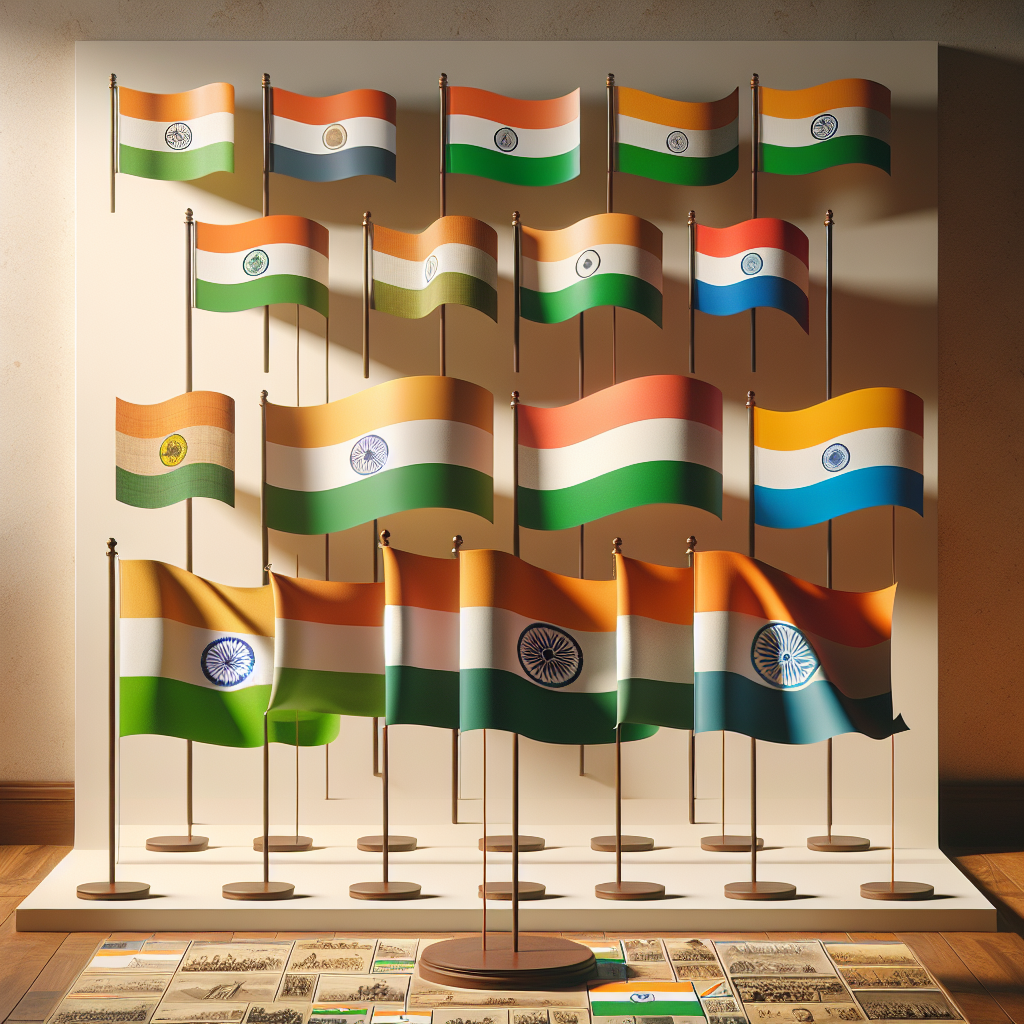
Over the years, the flag has undergone several changes, each representing a different phase in India's journey towards independence. The final design was adopted on July 22, 1947, just before independence. This section examines the various iterations of the flag and the reasons behind the changes.
- 1906 - The first Indian flag, featuring red and yellow bands.
- 1917 - A new design introduced by the Home Rule Movement.
- 1931 - The tricolor design with saffron, white, and green was proposed.
- 1947 - The official adoption of the current design.
Significance of the Colours in the Tiranga
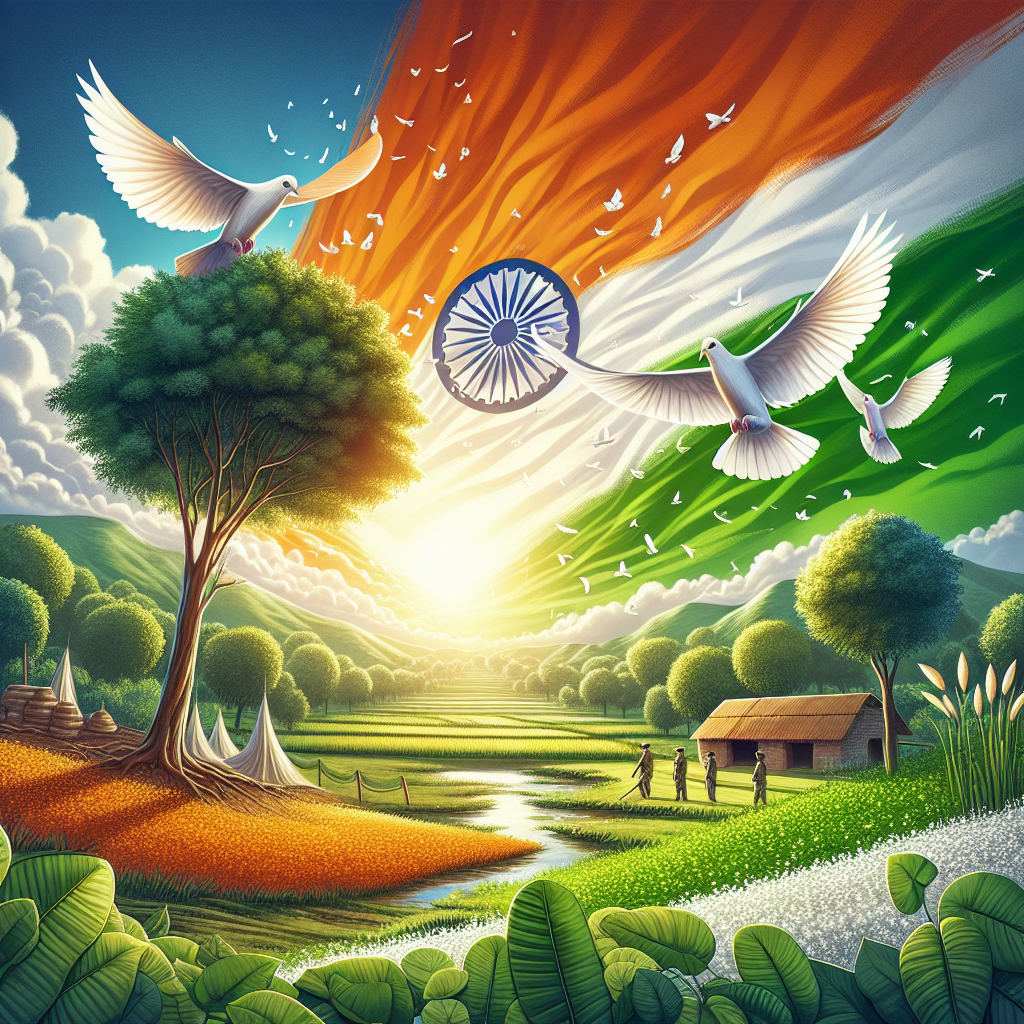
The Tiranga’s colours are steeped in meaning, reflecting the values and aspirations of the Indian people. Each colour represents a specific aspect of the nation's identity, making it essential to understand their significance.
Saffron: The Colour of Courage
Saffron, the topmost band of the Tiranga, symbolizes bravery and sacrifice. It reflects the spirit of those who fought for India's freedom and continues to inspire citizens to uphold these values.
The use of saffron in the flag is not just a random choice; it resonates with various cultural and spiritual connotations within Indian society. Traditionally, saffron is associated with Hinduism and is often seen as a sacred colour that represents purity and renunciation.
White: The Colour of Peace
The white band in the Tiranga signifies peace and truth. It represents the ethos of non-violence that Mahatma Gandhi famously advocated during the freedom struggle. This colour serves as a reminder for all Indians to pursue peace and harmony in their daily lives.
White also plays a crucial role in various cultural contexts in India, symbolizing purity and clarity of thought. It encourages citizens to strive for a harmonious society, embracing diversity and understanding.
Green: The Colour of Prosperity
Green, the bottom band of the Tiranga, denotes growth, fertility, and prosperity. It reflects the agricultural richness of India and the importance of nature in sustaining life. This colour encourages citizens to work towards the country's development and ensure a sustainable future.
In addition to its agricultural significance, green is often associated with Islam, representing the pluralistic fabric of Indian society. This duality highlights the unity in diversity that is a hallmark of the Indian identity.
The Ashoka Chakra: A Symbol of Dharma
At the center of the Tiranga is the Ashoka Chakra, a 24-spoke wheel that represents the eternal wheel of law and dharma. This emblem not only enriches the flag's design but also adds a layer of meaning that is vital to understanding India's national identity.
The Origin of the Ashoka Chakra
The Ashoka Chakra is derived from the Lion Capital of Ashoka, an ancient emblem that dates back to the Mauryan Empire. It symbolizes righteousness and justice, and its inclusion in the national flag underscores the importance of these values in contemporary India.
Symbolism of the 24 Spokes
Each of the 24 spokes of the Ashoka Chakra represents a significant value or principle, such as justice, peace, and harmony. Together, they form a holistic representation of the ideals that guide the nation and its people.

Cultural Significance of the Tiranga in Indian Society
The Tiranga is not merely a flag; it is an integral part of India's cultural fabric. It represents the collective identity of the nation and serves as a source of pride and inspiration for millions of Indians.
The Tiranga in Festivals and Celebrations
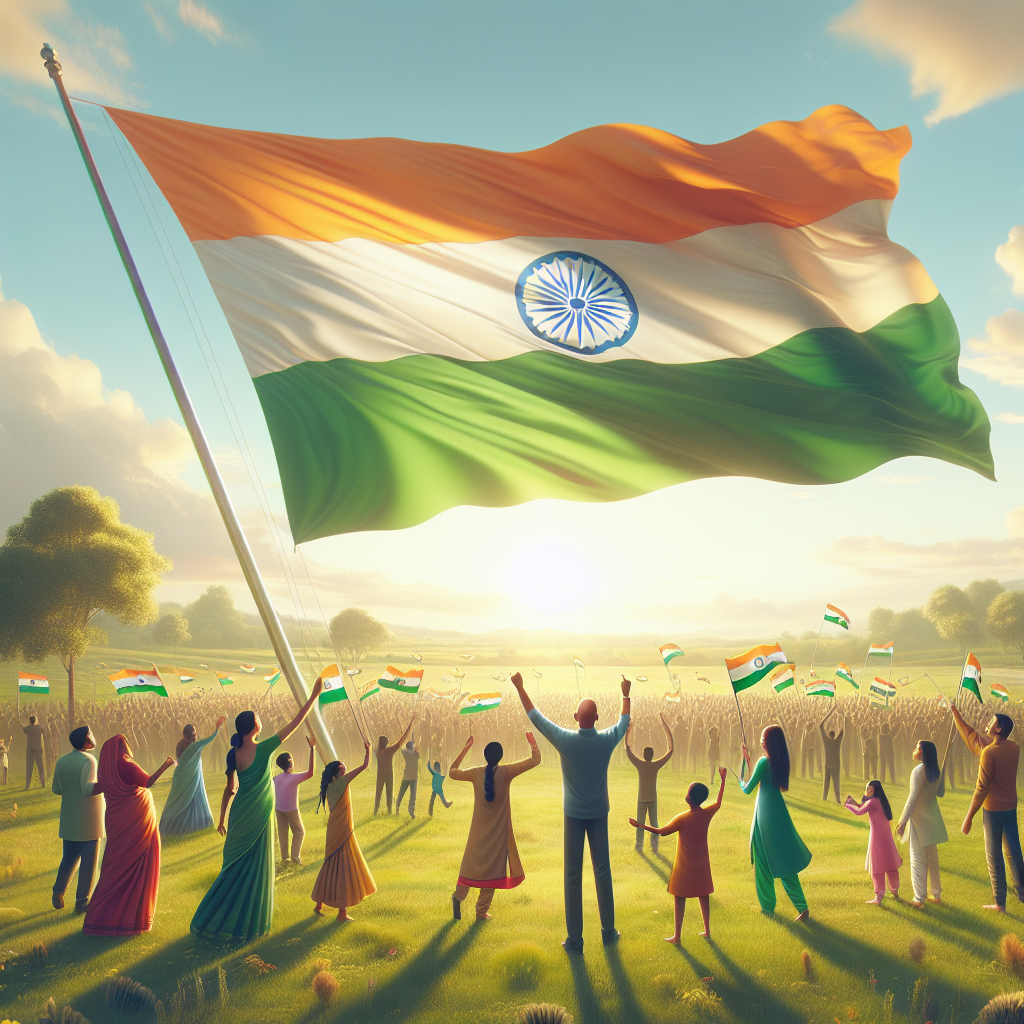
Throughout India, the Tiranga is prominently displayed during national holidays, festivals, and events. It acts as a unifying symbol that brings people together, regardless of their backgrounds or beliefs.
During Independence Day and Republic Day celebrations, the flag is hoisted with great reverence. Schools, colleges, and communities participate in flag hoisting ceremonies, instilling a sense of patriotism and pride in the younger generation.
Art and Literature Depicting the Tiranga
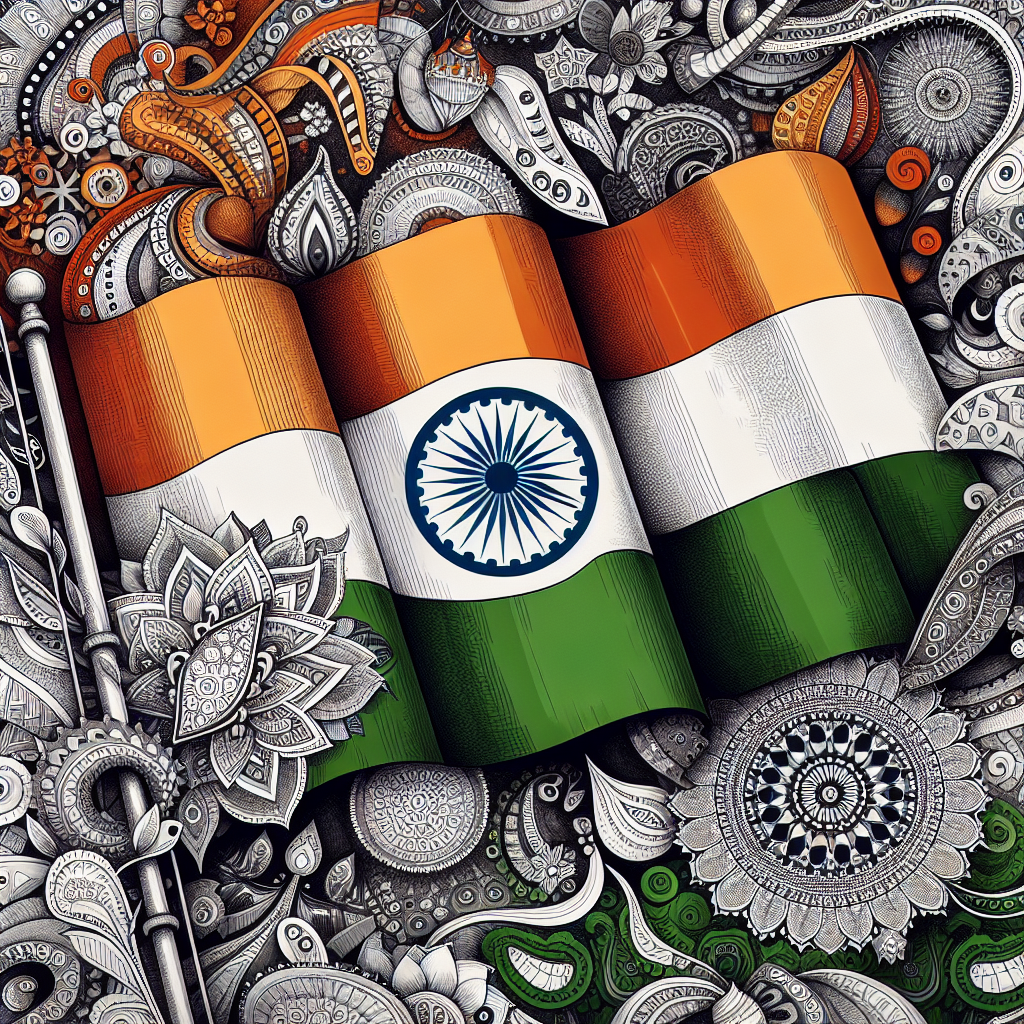
The Tiranga has inspired countless artists, poets, and writers throughout history. It is a recurring motif in Indian art and literature, symbolizing the struggles and aspirations of the people.
- Paintings that depict the flag in various forms.
- Poems that celebrate its significance.
- Songs that evoke feelings of patriotism and pride.
Global Recognition of the Tiranga
The Tiranga is not only revered in India but also recognized globally as a symbol of democracy and freedom. It serves as a reminder of India's commitment to peace and cooperation on the international stage.
The Tiranga in International Forums
During international events, the Tiranga is often displayed to represent India’s presence and values. It stands as a testament to the country's contributions to global peace and development.
Promoting Indian Culture Abroad
The Tiranga also plays a crucial role in cultural diplomacy, promoting Indian heritage and values across the world. It serves as a bridge connecting India to other nations, fostering mutual respect and understanding.
Conclusion: The Tiranga as a Living Symbol of Unity
In conclusion, the Tiranga is a powerful emblem of India's identity, rich heritage, and enduring values. The colours of the Tiranga—saffron, white, and green—along with the Ashoka Chakra, collectively symbolize the courage, peace, and prosperity that define the nation.
As we continue to celebrate and uphold these values, the Tiranga serves as a constant reminder of our shared history and the collective aspirations of the Indian people. It is our responsibility to honor and respect this symbol, ensuring that its significance is passed down to future generations.
Let us embrace the Tiranga with pride and strive to embody the principles it represents in our daily lives, fostering unity, peace, and progress for a brighter future.
FAQ · Common questions
Quick answers players ask before login, registration, deposit or withdrawal.